
Deinfluencing and Debt: How Small Purchases Quietly Turn Into Big Credit Card Problems
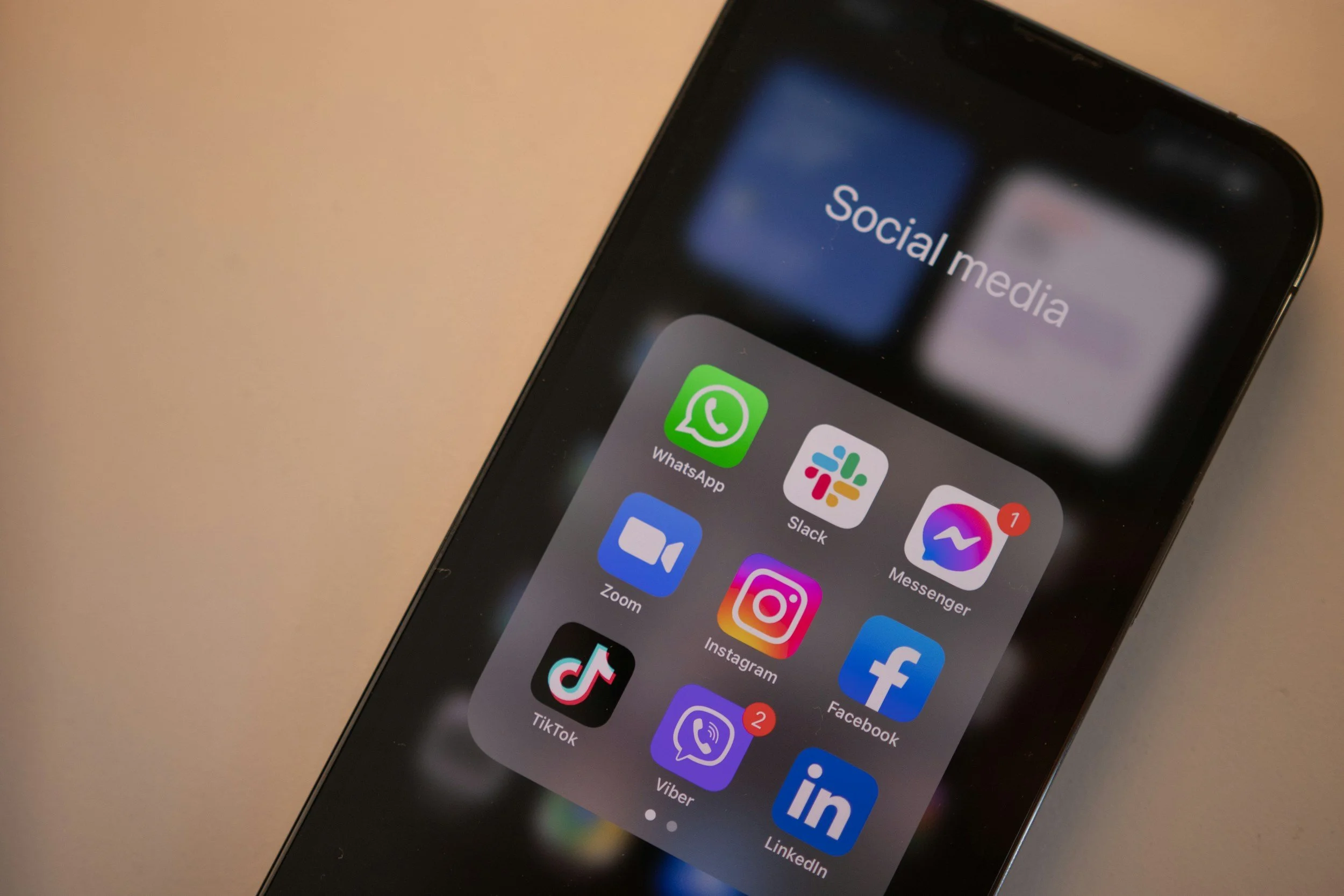
I want to talk about something I see in my bankruptcy practice all the time now.
People are not getting into debt the way they used to.
Years ago, someone might come into my office with debt from a car, a major medical bill, or a big purchase that went wrong. Those situations still happen. But more often today, the story sounds different.
It usually starts with a lot of small purchases.
TikTok Shop. Temu. Instagram ads. Late-night scrolling.
Twenty dollars here. Thirty dollars there.
None of those purchases feel serious on their own. But over time they stack up. Before long, the credit card balance becomes something you cannot manage.
This is not about judging anyone for spending money. Everyone does it.
What matters is understanding how the system around us encourages spending in ways most people do not notice until it becomes a problem.
How Small Purchases Turn Into Serious Debt
Most people do not expect small purchases to lead to serious debt.
But when someone sits down with me and we start reviewing their credit card statements, a pattern appears quickly.
A long list of small purchases.
Online shopping. Sponsored products. Social media ads. Influencer recommendations.
Each purchase felt small in the moment. Each one felt like a quick decision.
Credit cards make the process even easier. One click and the purchase goes through.
You do not feel the impact right away. The impact shows up later when the credit card statement arrives and the balance keeps growing.
The Difference Between Deinfluencing and Reinfluencing
You have probably seen the term “deinfluencing” online recently.
True deinfluencing means telling people the truth about products. Sometimes the truth is simple.
You do not need this.
But a lot of what gets labeled as deinfluencing is really just reinfluencing.
It sounds like this.
Do not buy that $100 product. Buy my $40 version instead.
That message still encourages spending. It simply redirects where the money goes.
Real deinfluencing sometimes means saying the product is unnecessary or does not solve the problem at all.
Decision Fatigue and Late Night Spending
There is another factor I think about often when people tell me how these purchases happened.
Decision fatigue.
Most of us make thousands of decisions every single day. Work decisions. Family decisions. Financial decisions. Everyday responsibilities.
By the end of the day, your brain is tired.
When that happens, people look for easy decisions. Something quick. Something simple. Something that gives a small reward.
Scrolling social media late at night creates the perfect environment for impulse purchases.
Many targeted ads appear between 9 PM and midnight for a reason. Marketers know people are tired. They know people are scrolling to relax.
In that moment, a $20 purchase feels harmless. It also provides a quick dopamine hit.
The problem appears later when the credit card statement reflects dozens of those moments.
Unboxing Hype vs Real Reviews
Another thing I encourage people to think about is the difference between unboxing videos and real product experience.
An unboxing video shows someone opening a product for the first time. Everything looks new. Everything looks impressive.
The person reviewing it has not used it yet.
They have no idea whether it works well.
Now compare that with someone who shows you a product they used for months. Maybe the bottle is almost empty. Maybe the item shows wear.
That person can tell you what actually worked.
Unfortunately, the unboxing excitement spreads faster online because it feels entertaining.
The Hidden Advertising Problem
Many of these videos also involve paid promotions.
The Federal Trade Commission requires creators to disclose when content includes paid partnerships or advertising. Sometimes those disclosures appear clearly.
Other times they appear briefly on screen or get buried in long captions.
Transparency matters. If someone recommends a product because they received payment, viewers deserve to know that.
The Return Trap
Another issue many people discover after buying products online is how difficult returns can become.
Some companies offer store credit instead of refunds. Your money stays locked inside the store.
Other companies make the return process so complicated that people simply give up.
Forms. Emails. Shipping labels. Deadlines.
Many people decide the return process feels like too much work.
That frustration forms part of the business model.
Three Ways to Protect Yourself From Impulse Spending
You cannot control the entire system around you. But you can protect yourself with a few practical habits.
These are three strategies I recommend often.
The 24 Hour Cart Rule
If you see something online, place it in your cart.
Then leave it there.
Come back the next day and ask yourself whether you still want it and whether you know how you will use it.
If you forgot about the item entirely, you did not truly need it. You wanted the feeling that came with buying it.
The Unfollow Purge
Your social media feed affects how you feel about your life.
Some accounts exist to create insecurity. They suggest your home is not organized enough or your clothes are not stylish enough.
You control who appears in your feed.
If an account constantly pushes products or makes you feel inadequate, give yourself permission to unfollow.
Know Your Weakest Spending Time
Look through your online purchase history and pay attention to the time stamps.
Most people notice a pattern.
Impulse purchases often happen within the same two-hour window.
Once you recognize that pattern, set boundaries. Maybe you decide no online shopping after 9 PM. Maybe you remove certain apps from your phone.
Small changes make a big difference.
If Your Debt Feels Unmanageable
If you recognize this pattern in your own finances, please remember something important.
This situation does not mean you failed.
Entire industries spend billions studying how to influence consumer behavior. The goal is simple. Separate people from their money in small amounts that do not feel noticeable at the time.
Many people reach a point where the credit card balances grow larger than expected.
If that happens, talking with a bankruptcy attorney helps you understand your options.
A consultation does not commit you to filing bankruptcy. It gives you information so you can decide what makes sense for your situation.
Schedule a Free Consultation
If you are struggling with credit card debt and want to understand your options, I offer free consultations.
The goal is simple. Help you understand what paths exist and whether bankruptcy makes sense for you.
If you live in Northwest Ohio, schedule your consultation by calling my office 419-625-7770
Not in Northwest Ohio? Find a trusted bankruptcy attorney in your state to help you determine your best options by visiting my referral page.
Watch the Video Version
If you prefer watching instead of reading, you can watch me walk through this topic in my latest YouTube video.
Listen to the Podcast
Kristen and I also discuss this topic on the High Heels & Hay Bales podcast. We talk about influencer culture, the reality behind online shopping, and even share some of our own embarrassing late-night purchases.
Listen to the episode here
Stay Connected
If you want more honest conversations about debt, bankruptcy, and financial decisions, subscribe to my newsletter for new videos, articles, and updates.
