
What the CFPB Did for You and Why Losing It Matters for Your Debt
If you’ve ever felt like the financial system is stacked against you, you’re not imagining it.
Most people don’t wake up one day and decide to get into overwhelming debt. It builds over time. Small decisions. Easy approvals. High interest. And systems designed to keep you paying.
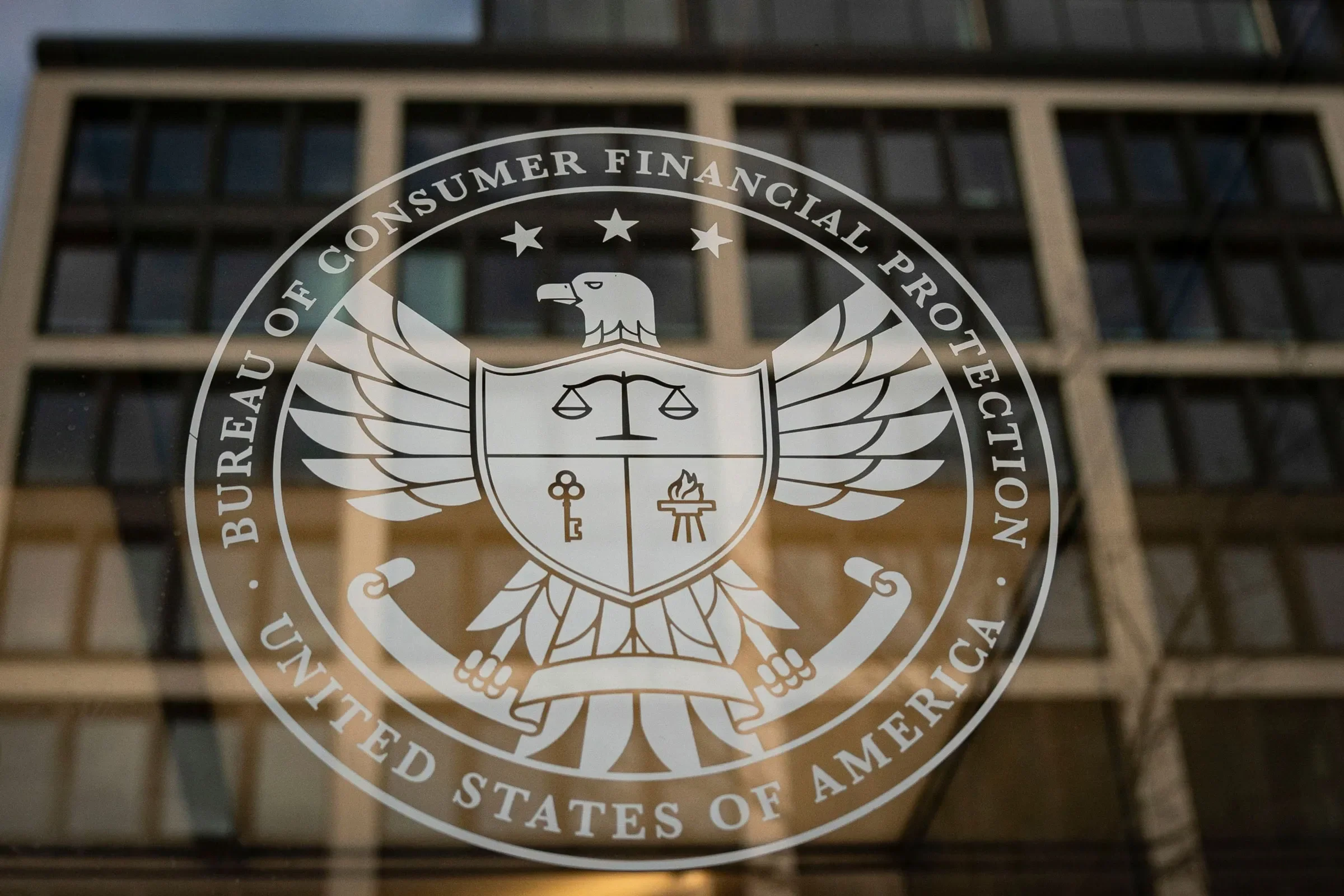
For years, there was an agency meant to protect you from the worst of it. The Consumer Financial Protection Bureau..
Now, that protection is being scaled back..
Let’s talk about what that means for you.
Where We Are Now With Debt in the U.S.
Household debt in the United States is at record levels.
Credit cards. Auto loans. Student loans. Personal loans. It adds up fast.
What I see in my practice is not reckless spending. It’s people trying to keep up with everyday life.
Groceries cost more
Interest rates are higher
Minimum payments keep people stuck
You make the payment. The balance barely moves. Then something unexpected happens and everything starts to slide.
That’s how it starts.
How People End Up in Unmanageable Debt
Debt rarely comes from one big decision.
It comes from patterns.
Debt from Medical Emergency or Long Term Health Complications
Relying on credit to cover gaps in income
Accepting high interest rates without clear terms
Stacking multiple small payments across apps, subscriptions, and cards
Over time, those small obligations turn into something you can’t keep up with.
I see people who were doing everything “right” on paper. They were working. Paying bills. Trying to stay current.
Then the math stopped working.
What the CFPB Is and Why It Was Created
The Consumer Financial Protection Bureau was created after the 2008 financial crisis.
At the time, millions of people lost homes, savings, and financial stability because of lending practices that were misleading, confusing, or outright abusive.
The goal of the CFPB was clear. Protect everyday consumers from unfair, deceptive, and abusive financial practices.
That included:
Regulating lenders
Requiring clear and honest disclosures
Investigating consumer complaints
Taking action against companies that broke the rules
The first director of the CFPB was Richard Cordray. His role was to build the agency from the ground up and set the tone for how consumer protection would be enforced.
He understood how serious the problem was.
In fact, he later wrote a recommendation for my book because he knows how important it is for people to have clear, honest information when they’re dealing with debt and financial decisions.
And that’s the reality most people don’t see.
Predatory lending didn’t start with apps or online platforms. It existed long before that. What’s changed is how it shows up.
Today’s lenders have taken those same ideas and built them into systems that look legitimate on the surface.
Easy approvals
Complicated terms
High interest rates
Long repayment timelines
In many ways, the structure is more refined now than it was when loan sharks and organized crime were running those operations.
The pressure is quieter. The contracts are longer. The impact is the same.
That’s why the CFPB mattered. It created a layer of accountability in a system that, left alone, does not naturally protect the consumer.
Predatory Lending Didn’t Go Away. It Changed
A lot of people think predatory lending is a thing of the past.
It isn’t.
It just looks different now.
Instead of back-alley deals, you see:
High-interest credit cards with complex terms
Buy now, pay later programs with hidden risks
Loans that are easy to get and hard to repay
Subscription-based financial products that quietly drain your account
The structure has changed. The outcome hasn’t.
People still get trapped in cycles of debt that are hard to escape.
What’s Happening to the CFPB Now
Right now, the CFPB is being weakened in a way that changes how it functions day to day.
Under the current administration, there has been a steady pullback on enforcement. The agency still exists, but it is not operating at the level it was designed to.
That matters.
An agency like this only works if it actively investigates, enforces, and holds companies accountable. When that slows down or stops, the protection becomes more theoretical than real.
In practical terms, it starts to feel like a ghost agency. The structure is still there. The name is still there. But the work that made it effective is not happening in the same way.
There have also been internal efforts that raise concern.
Acting director Russell Vought has pushed to reduce staff at the agency. Courts have stepped in at points to block those actions, signaling that those moves may not follow the law as written.
Even with that pushback, attempts to cut staffing and limit operations have continued.
When you reduce the number of people doing the work, you reduce the agency’s ability to respond to complaints, investigate misconduct, and enforce the rules that protect consumers.
And when enforcement weakens, the burden shifts back onto you.
You are left to navigate a system with fewer guardrails and less oversight.
You may not notice it all at once. But over time, it shows up in the form of:
Less accountability for lenders
More aggressive or confusing financial products
Fewer consequences when companies cross the line
That is why this matters.
The CFPB was created to level the playing field between consumers and financial institutions. When it is weakened, that balance starts to tip in the other direction.
Why This Matters to You
Even if you’ve never filed a complaint or dealt directly with the CFPB, its work has affected you.
It helped:
Set standards for how lenders operate
Create accountability in the financial system
Give consumers leverage
Without that structure, the balance shifts.
And it usually doesn’t shift in favor of the consumer.
What You Can Still Do to Protect Yourself
You still have options.
Start with awareness.
Read the terms before you agree to anything
Pay attention to interest rates and fees
Track your subscriptions and recurring charges
Question anything that feels unclear
If something doesn’t make sense, pause.
You do not need to agree on the spot.
If you’re already in debt, look at the full picture.
What do you owe
What are the interest rates
What is realistic for you to repay
Sometimes the solution is restructuring. Sometimes it’s bankruptcy.
Both are tools. Not failures.
Know Your Rights as a Consumer
Even with changes to the CFPB, consumer protection laws still exist.
You still have rights. The key is knowing what they are and when to use them.
Here are some of the most important protections you should be aware of.
Your Right to Clear and Honest Terms
Lenders are required to tell you the real cost of borrowing.
That includes:
Interest rates
Fees
Payment schedules
Total cost over time
If something is unclear, misleading, or buried in fine print, that is a problem.
Learn more: Consumer Financial Protection Bureau – Truth in Lending
Your Right to Dispute Credit Report Errors
Your credit report affects your ability to borrow, rent, and sometimes even get a job.
If there is incorrect information on your report, you have the right to dispute it and have it investigated.
You can request your free credit report here at AnnualCreditReport.com
Learn how to dispute errors on your credit report
Your Right to Protection From Harassment by Debt Collectors
Debt collectors cannot harass, threaten, or mislead you.
They cannot:
Call you at unreasonable hours
Use abusive language
Threaten actions they cannot legally take
You have the right to request written verification of he debt and to limit how they contact you.
Learn more: Fair Debt Collection Practices Act (FDCPA)
Your Right to Cancel Certain Agreements
For some financial agreements, you have a short window to cancel without penalty.
This often applies to:
Certain loan agreements
Some home-related transactions
This is called a “right of rescission.”
Learn more about Canceling Agreements
Your Right to Fair Treatment (No Discrimination)
Lenders cannot deny you credit based on:
Race
Gender
Religion
Marital status
Age (with some exceptions)
If you are denied credit, you have the right to know why.
Learn more: Equal Credit Opportunity Act (ECOA)
Your Right to Take Action When Something Is Wrong
If you believe a lender or financial company has acted unfairly, you still have options.
You can:
File a complaint
Dispute charges
Seek legal advice
Work with a bankruptcy attorney to reset your situation
Start here to file a complaint.
Bringing It Back to You
These rights still exist. But enforcement is what gives them weight.
That is why understanding them matters now more than ever.
If something feels off, pause and ask questions.
If you are already in a situation that feels overwhelming, you do not have to figure it out alone.
Or take the next step and get clarity on your options by contacting me if you are in Northern Ohio or use my bankruptcy attorney referral network of trusted bankruptcy attorneys around the country to find someone who can also help.
You deserve clear information, fair treatment, and a path forward that works for your life.
